Vintage and Retro Interior Design Trends
There is a version of the vintage revival that is easy to dismiss as cyclical trend activity, a collective exhaustion with the grey-white interiors of the last decade and a compensatory reach backward. That reading is not entirely wrong. But when clients arrive at Kaiko Design with a brief that references a specific period, whether that is a 1970s palette, a Mid-Century form language, or the ornate materiality of Art Deco, the driver is almost never nostalgia. It is usually something more considered. Understanding what that driver actually is changes how you approach the work.
At Kaiko Design we regularly work with vintage-inflected interiors as part of our residential interior design Sydney practice. The briefs vary: some clients arrive with a specific period in mind and a clear visual reference, others know only that they want something that feels considered and materially rich rather than trend-driven. What they share is an instinct that period design offers something contemporary interiors often do not, specificity, permanence, and a sense that the objects in a room have been chosen for reasons that will outlast the season they were purchased in. The distinction we work toward in every case is between a period interior and a period-informed one. That difference, between recreation and vocabulary, is where the interesting work happens.
Why the vintage revival is happening and what is actually driving it
Three forces account for most of what we see in client briefs right now. The first is a reaction to minimalism. After a decade of editing rooms down to their bare essentials, many clients arrive with an interior that feels neither comfortable nor theirs. Period design is, at its core, maximalist in intent: it celebrates the specific, the storied and the materially rich. After years of restraint, that has genuine appeal.
The second is sustainability. Sourcing genuine vintage pieces is the most credible form of sustainable interior design available. Authentic period furniture carries no manufacturing footprint and, when well chosen, holds its material quality in ways that contemporary production rarely matches. Clients who are serious about their environmental commitments are increasingly treating the antique market as a primary sourcing channel rather than a secondary one.
The third is personality. A room furnished with objects that have specific provenance and history resists the anonymity that flat-pack and fast-furniture interiors tend to produce. Vintage-inflected interiors can only ever look like the person who assembled them. That specificity is exactly what the studio's approach to interior design in Sydney is designed to produce, regardless of whether the reference is period or contemporary.
How different eras ask for different things
Not all vintage references work the same way, and the brief changes significantly depending on which period a client is drawn to. Mid-Century Modern remains the most commercially legible and the most forgiving to work with: its defining characteristics, the tapered leg, natural materials, considered restraint, translate readily into contemporary homes without requiring a wholesale commitment to a period aesthetic. One well-chosen MCM sideboard or armchair can anchor an otherwise contemporary room more effectively than an entire period suite. Our exploration of Mid-Century Modern and Art Deco covers the technical approach to working with both movements in detail, including how to hold them in the same room without the result reading as a showroom floor.
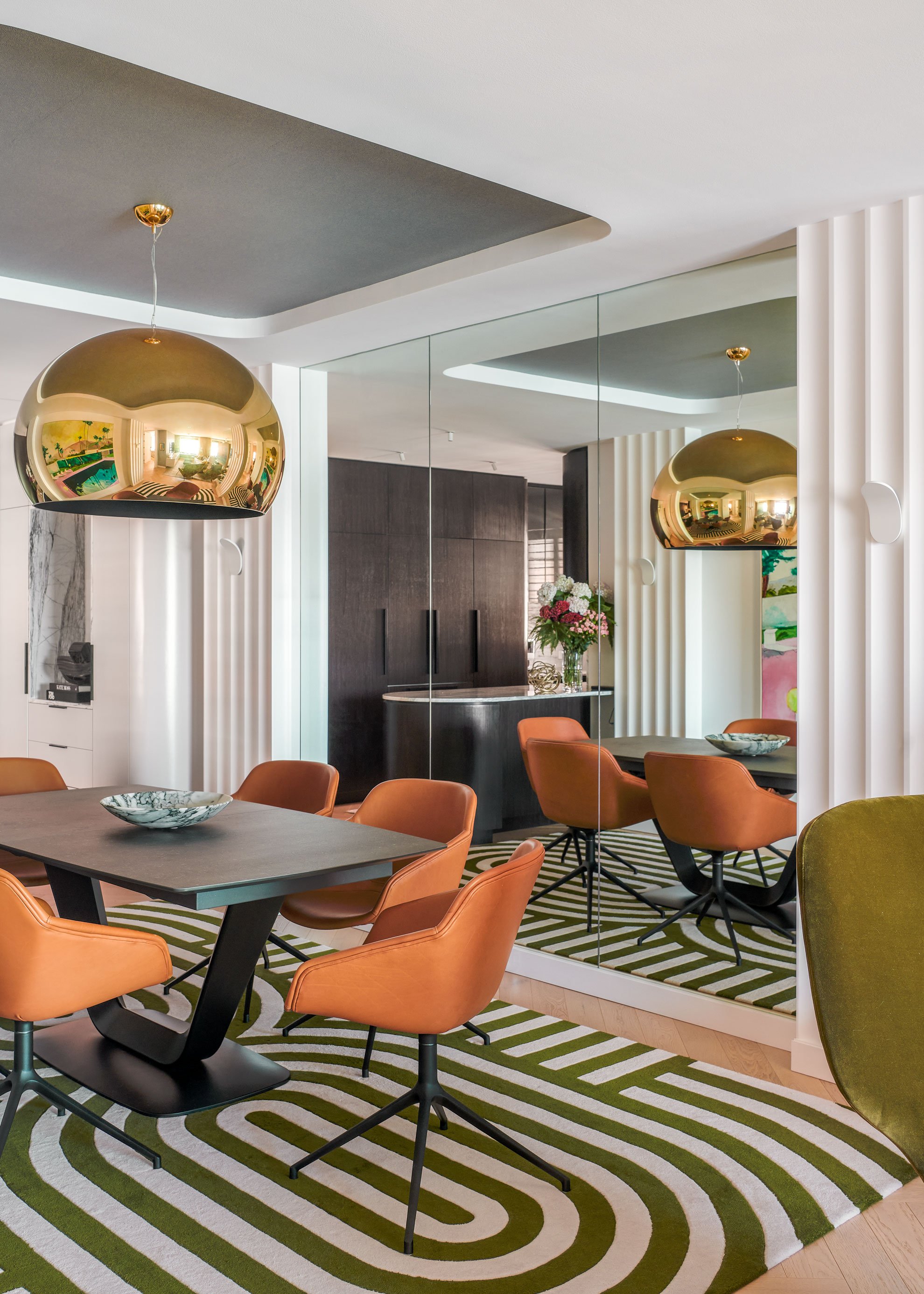
The 70s revival is less discussed but deserves more attention. The decade's embrace of natural materials, warm enveloping colour, and a certain generous scale that has aged well makes it a productive reference for Australian homes in particular. The connection to biophilic design is intuitive: the 70s interior already anticipated the desire for warmth, texture and a relationship to the landscape that contemporary clients consistently express. It also offers the richest territory for colour, ochre, burnt sienna, forest green, terracotta, handled with restraint rather than caricature, these palettes have a permanence that trend-driven work does not.
Victorian design is a harder sell in contemporary residential projects, but in Sydney it finds its most natural home in heritage stock. Terrace houses, federation-era apartments, the kind of properties we regularly work on in heritage conservation areas, already speak this language architecturally. The approach here is selective quotation rather than full reproduction: period millwork, picture rails, patterned wallpaper and jewel-toned upholstery used as accent rather than setting. The architecture provides the structure; the period references deepen it rather than overwhelm it. This thinking is at the centre of how we approach heritage home renovations across Sydney's established suburbs.
The most common failure mode in vintage-influenced interiors
Accumulation without hierarchy. Every period element competing for attention, no clear logic about which objects are doing structural work and which are supporting. The edit is the design. Knowing which pieces to remove is as important as knowing which to introduce. A single genuinely considered vintage piece, something with actual provenance, real material quality and a clear relationship to the room's broader direction, carries more presence than a dozen vintage-inspired accessories assembled from the same online source.
The other failure mode is applying a period reference across an entire home without differentiating. The same vocabulary used at the same intensity in every room produces spaces that feel themed rather than personal. Period references work best when they are strong in the rooms where the conditions support them and restrained where they do not. The interior design process at Kaiko Design addresses this at the concept stage, establishing which references govern which spaces and how they connect across the whole home rather than resolving each room in isolation.
Dynamic eclecticism and the vintage brief
Vintage-inflected work at Kaiko Design is always bespoke, built from the specific character of a project rather than from a mood board category. The studio's philosophy of dynamic eclecticism, colour-led interiors that are personalised to the client and the building, applies as directly to period-informed work as it does to any other brief. A vintage reference that has not been calibrated to the specific conditions of a home, its light, its architecture, its existing material palette, and the personality of the people who live there, is just costuming.
When it works, vintage-inflected design does something genuinely difficult: it makes a contemporary home feel as though it has always been exactly as it is. Not decorated, not assembled, but resolved. That quality, a sense of inevitability in how a home looks and feels, is what we are working toward regardless of which period the client is drawn to.
If you are planning a renovation with a period or vintage reference and want to understand how that can be handled as a whole-home approach, get in touch for a discovery call.